


Bin store odour control is one of the most overlooked parts of residential and commercial property maintenance. Yet for property managers and managing agents, a smelly communal bin store can quickly become a constant source of complaints.
Unpleasant bin store smells, flies, rodents, overflowing bins and illegally dumped rubbish can turn a communal waste area into somewhere residents actively avoid.
Fortunately, a combination of regular commercial bin cleaning, professional bin store cleaning and disinfection, installed fly control units and specialist bin store odour control systems can dramatically improve these environments.
In this guide, we explain how to stop bin stores smelling, how to get rid of flies, and the preventative measures that keep communal waste areas cleaner, safer and more hygienic all year round.
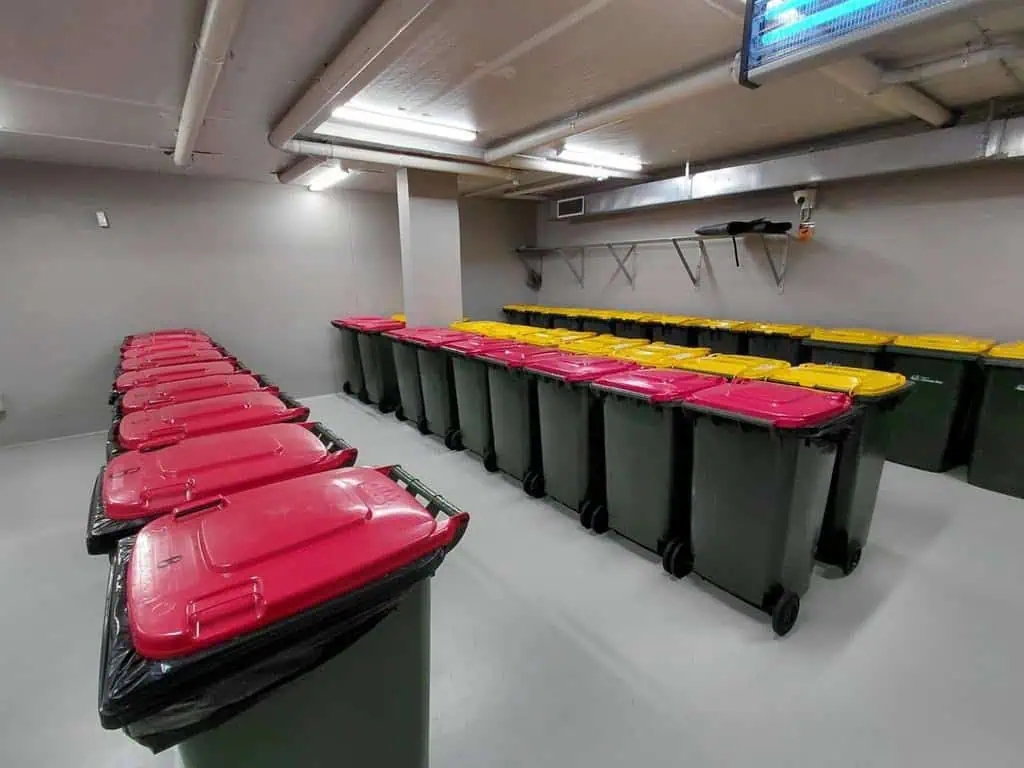
Why Do Communal Bin Stores Smell So Bad?
Unpleasant bin store odours usually develop when organic waste begins decomposing, particularly in warm, enclosed or poorly ventilated environments.
Common causes include:
- Food waste and liquids leaking from rubbish bags.
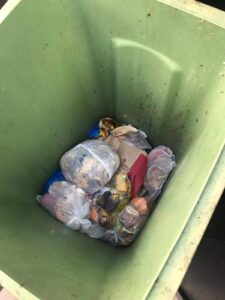
- Dirty wheelie bins and contaminated bin lids.
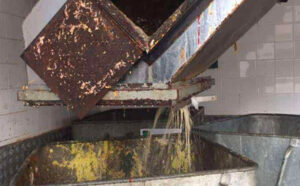
- Waste residue building up on floors and walls.
- Overflowing bins and rubbish left outside containers.
- Poor ventilation and inadequate drainage.
- Infrequent bin cleaning and disinfection.
During warmer months, these problems often become considerably worse. Heat speeds up decomposition, and the bacteria that cause bad smells multiply far more quickly.
Even after a bin store has been professionally cleaned, unpleasant smells can return if the underlying causes aren’t addressed. This is why many property managers now treat bin store odour control as an ongoing programme rather than a one-off clean, often adding permanent odour control units alongside their regular cleaning schedule.
Why Bin Store Odour Control Matters for Property Managers
A bin store is often the first shared space residents use each day, and one of the first places visitors, contractors and prospective tenants notice. When it smells, it reflects on the whole building.
Good bin store odour control helps property managers to:
- Reduce resident complaints about smells, flies and dirty conditions.
- Protect health and hygiene by limiting bacteria and the pests that spread it.
- Improve the appearance and perceived value of the development.
- Encourage correct waste disposal, as residents are more likely to use a clean bin store properly.
- Move from reactive to planned maintenance, with more predictable costs.
For housing associations and managing agents looking after several sites, a consistent approach to bin store odour control and fly control also makes it easier to set clear standards across every block.
7 Proven Ways to Achieve Effective Bin Store Odour Control
The most effective approach to bin store odour control combines regular cleaning with preventative equipment and good day-to-day waste management. Here are seven proven steps.
1. Arrange Regular Commercial Bin Cleaning
Wheelie bins collect food residue, bacteria and unpleasant smells through everyday use. Professional commercial bin cleaning removes built-up contamination from the inside and outside of each container, including the lids, rims and wheels.
Regular cleaning stops odours developing in the first place and removes the conditions that attract flies and other pests. Without clean bins, no other form of bin store odour control will work for long.
2. Pressure Wash and Disinfect the Bin Store
Bins are only half the problem. Professional bin store cleaning uses pressure washing and disinfection to remove waste residue, leaked liquids and accumulated grime from floors, walls, doors and drainage channels.
Cleaning frequency should reflect the number of residents, the volume of waste and the condition of the bin store. Busy developments often benefit from monthly or fortnightly visits, particularly through the summer.
3. Install a Bin Store Odour Control Unit
Specialist bin store odour control units help manage persistent smells between scheduled cleaning visits. Depending on the technology used, these units are designed to reduce or neutralise unpleasant odours rather than simply mask them.
For enclosed communal bin stores, professionally installed odour control equipment provides a valuable extra layer of protection. Units should be specified for the size and layout of the space, and installed by a qualified electrician where electrical installation is required.
Certain systems can operate with annual servicing, subject to the manufacturer’s recommendations.
4. Fit Commercial Electric Fly Control Units
Permanent electric fly control units for bin stores attract and capture or eliminate flying insects, depending on the unit selected. They are one of the most effective tools for bin store fly control during the warmer months.
Correct positioning is essential. Units should give good coverage of the bin store without drawing additional insects towards the building, so they should be professionally selected and installed in suitable locations.
5. Improve Ventilation and Drainage
Stale, trapped air allows odours to build up. Where possible, check that vents and grilles are clear, doors close properly, and the space is not sealed so tightly that smells have nowhere to go.
Drainage matters too. Blocked or slow drains hold dirty water, which quickly becomes a source of smells and a breeding ground for flies. Keeping gullies clear supports every other part of your bin store odour control plan.
6. Keep Waste Contained and Bins Closed
Simple habits make a big difference. Make sure bin lids close fully, broken lids and wheels are repaired, and there is enough bin capacity for the number of residents.
Clear signage reminding residents to bag food waste securely and to place bags inside bins, not beside them, cuts down on spillages that cause smells and attract flies.
7. Set Up a Planned Servicing and Inspection Schedule
The final step is turning everything above into a routine. A planned schedule might include regular bin and bin store cleaning, quarterly fly unit servicing, annual odour control unit servicing where appropriate, and routine inspections to spot problems early.
A planned approach keeps conditions consistent and stops the cycle of complaint, clean, and repeat.
[IMAGE 2 – alt text: “Commercial bin store fly control unit installed in a communal bin store”]
How Do You Get Rid of Flies in a Bin Store?
Flies are particularly attracted to food waste, decomposing organic material and contaminated surfaces. Once established, they can become a persistent nuisance, especially during summer.
Effective bin store fly control involves two things: removing breeding conditions and managing adult flying insects.
Remove Breeding Sources
Flies lay their eggs in rotting food and organic residue, and those eggs can hatch into maggots within a very short time in warm weather. Removing food residue, spilled waste and contaminated liquid is the first priority. Our guide on how to kill maggots in a bin explains more about stopping an infestation before it starts.
Keeping bin lids closed and making sure rubbish is correctly contained also reduces fly attraction significantly.
Manage Adult Flies with Fly Control Units
Once breeding sources are under control, commercial electric fly control units deal with the adult flies that remain. Quarterly fly unit servicing can include cleaning, checking equipment condition and replacing consumables where required.
Importantly, fly control units complement regular cleaning rather than replacing it.
Bin Store Odour Control Units vs Air Fresheners: What’s the Difference?
Some buildings try to tackle bin store smells with air fresheners or scented sprays. These may help briefly, but they only mask the problem, and in a busy bin store the smell usually returns within hours.
Professional bin store odour control units are designed for the job. Depending on the system, they work to reduce or neutralise odour-causing compounds in the air, running continuously between cleaning visits.
| Air fresheners | Bin store odour control units | |
|---|---|---|
| How they work | Mask smells with fragrance | Reduce or neutralise odours |
| How long they last | Hours | Continuous operation |
| Maintenance | Frequent refills | Planned servicing, often annual |
| Best for | Small, light odours | Busy communal bin stores |
Neither option replaces cleaning. Removing the source of the smell always comes first.
Why Are Fly and Odour Control Units Becoming More Popular?
Traditionally, bin store maintenance has focused on reactive cleaning. A complaint is received, a cleaning contractor attends, conditions improve temporarily, and the cycle repeats.
Increasingly, property managers are looking towards preventative solutions. Permanently installed fly control and odour control equipment helps maintain more consistent conditions between cleaning visits.
The benefits can include:
- Reduced nuisance from flying insects.
- Better management of unpleasant smells.
- A more comfortable environment for residents.
- Fewer recurring hygiene-related complaints.
- More predictable planned maintenance arrangements.
For larger residential developments, combining these systems with scheduled cleaning provides a more complete approach to bin store odour control and pest prevention.
Preventing Rats and Mice in Communal Bin Stores
Bin stores can also attract rodents when food waste is easy to reach. Signs of rodent activity should be investigated promptly, particularly where rubbish bags are regularly left on the floor.
Preventative measures include secure bin lids, regular cleaning, removal of food waste and sealing suitable entry points.
Where necessary, professionally managed rodent bait boxes can form part of a wider pest control programme. Bait stations should be assessed, positioned and maintained by competent pest control professionals. The British Pest Control Association lists accredited pest controllers, and some local councils also offer treatments, which you can check through the GOV.UK pest problem service.
Fly-Tipping, Bulky Waste and CCTV in Bin Stores
Odours and pests are not the only challenges associated with communal bin stores. Managing agents regularly encounter abandoned furniture, mattresses, cardboard and bulky household waste.
Some developments install CCTV to discourage fly-tipping and help identify repeated misuse. Dumping on public land nearby can be reported to the local council through GOV.UK’s fly-tipping service.
However, CCTV alone cannot solve poor hygiene. Clear resident signage, adequate waste capacity, suitable bulky waste arrangements and regular inspections remain important.
A well-maintained bin store also encourages residents to dispose of rubbish correctly rather than leaving bags outside the entrance.
Seasonal Bin Store Odour Control Checklist
Bin store conditions change through the year, so it helps to adjust your plan with the seasons.
- Spring: Book a deep clean and disinfection, check odour and fly control units are working, and review bin capacity before the warmer months.
- Summer: Increase bin and bin store cleaning frequency, check fly units more often, and watch closely for maggots and strong smells.
- Autumn: Clear leaves from drains and gullies, service fly control units, and check for gaps where rodents could get in as the weather cools.
- Winter: Keep up regular cleaning (smells drop but bacteria remain), arrange annual odour control servicing where due, and inspect lids, doors and lighting.
Bin Store Odour Control for Different Types of Property
Every building produces a different mix and volume of waste, so the right approach to bin store odour control depends on how the property is used.
Residential Blocks and Apartment Developments
Residential bin stores handle a steady flow of household and food waste from many households at once. Bags are often left on the floor, and residents may not report problems until smells become severe. Regular bin and bin store cleaning, clear signage and a permanent odour control unit usually work well here, with fly control units added in larger or enclosed stores.
Housing Associations and Managed Estates
Housing associations often look after many bin stores across several sites. A consistent, planned programme makes it easier to set standards, budget accurately and respond to resident feedback. Combining scheduled cleaning with installed odour and fly control equipment helps reduce repeat visits to the same problem areas.
Restaurants, Cafés and Commercial Kitchens
Commercial food businesses generate large amounts of food waste and grease, which break down quickly and attract flies. These sites usually need more frequent bin cleaning, well-sealed containers and robust bin store fly control, alongside any requirements set by local environmental health officers.
Offices, Retail and Mixed-Use Buildings
Mixed-use buildings combine commercial and residential waste in shared areas. Clear separation of waste streams, good ventilation and planned cleaning keep these bin stores tidy and help avoid disputes between occupiers over who is responsible.
Whatever the property type, a short site assessment is the best starting point. It shows where smells and pests are coming from and which combination of cleaning and equipment will make the biggest difference.
A Complete Bin Store Maintenance Programme
For residential developments, housing associations and commercial properties, the most effective approach combines several preventative services.
These can include:
- Scheduled commercial wheelie bin cleaning.
- Bin store pressure washing and disinfection.
- Permanent odour control unit installation.
- Commercial fly control unit installation.
- Quarterly fly control unit servicing.
- Annual odour control unit servicing, where appropriate.
- Rodent monitoring and bait box management.
- Regular inspections and waste management reviews.
The aim isn’t to make a bin store completely sterile. It’s to maintain a reasonably clean, hygienic and usable environment that residents feel comfortable entering.
Frequently Asked Questions About Bin Store Odour Control and Fly Control
How do I stop my communal bin store smelling?
Regular bin cleaning, floor washing, disinfection, good ventilation and correct waste disposal are essential. For persistent smells, professionally installed bin store odour control units provide extra ongoing protection.
What is the best way to get rid of flies in a bin store?
Remove food waste and breeding sources, keep bins closed, clean contaminated surfaces and consider installing a commercial electric fly control unit. Regular servicing keeps it working effectively.
Can you install fly control units in residential bin stores?
Yes. Commercial fly control units can be installed in suitable residential bin stores following an assessment of the environment, electrical requirements and the best equipment position.
How often should bin store fly control units be serviced?
Quarterly servicing is a practical schedule for many commercial fly control installations, although requirements vary by equipment type, usage and manufacturer recommendations.
How often do bin store odour control units need servicing?
Some commercial odour control systems need annual servicing, while others need more frequent maintenance or consumable replacement. This depends on the technology and the manufacturer’s instructions.
How often should communal bins and bin stores be cleaned?
Cleaning frequency depends on waste volumes, resident numbers and the level of contamination. Busy residential developments usually need more frequent cleaning than smaller blocks, especially in summer.
Do odour control units replace bin store cleaning?
No. Bin store odour control equipment should complement professional cleaning and disinfection. Removing the source of unpleasant smells remains essential.
How can property managers prevent rats and mice in bin stores?
Keep waste contained, remove food residue, maintain regular cleaning schedules and arrange professional pest inspections. Where appropriate, secure rodent bait stations may be recommended.
Professional Bin Store Odour Control and Fly Control in London
At LBC Exterior Cleaning, we help property managers, managing agents, housing associations and commercial property owners maintain cleaner and more hygienic waste areas.
Our services include commercial bin cleaning, bin store pressure washing and disinfection, plus the supply and professional installation of fly control and odour control units. We can also arrange ongoing quarterly fly unit servicing and annual odour control servicing where suitable for the installed equipment.
You can see our rates on our pricing page, or read about our bin area cleaning service.
Struggling with unpleasant bin store smells, persistent flies or recurring hygiene complaints?
Contact LBC Exterior Cleaning to arrange a bin store assessment and discuss a tailored cleaning, fly control and bin store odour control solution.